In recent years, the intersection of technology and environmental conservation has generated innovative solutions to longstanding ecological challenges. Among these technological advancements, robotics has emerged as a powerful tool in efforts to preserve the natural world. Whether it’s monitoring wildlife populations, restoring damaged ecosystems, or cleaning up polluted environments, robotics is playing an increasingly vital role in environmental conservation.
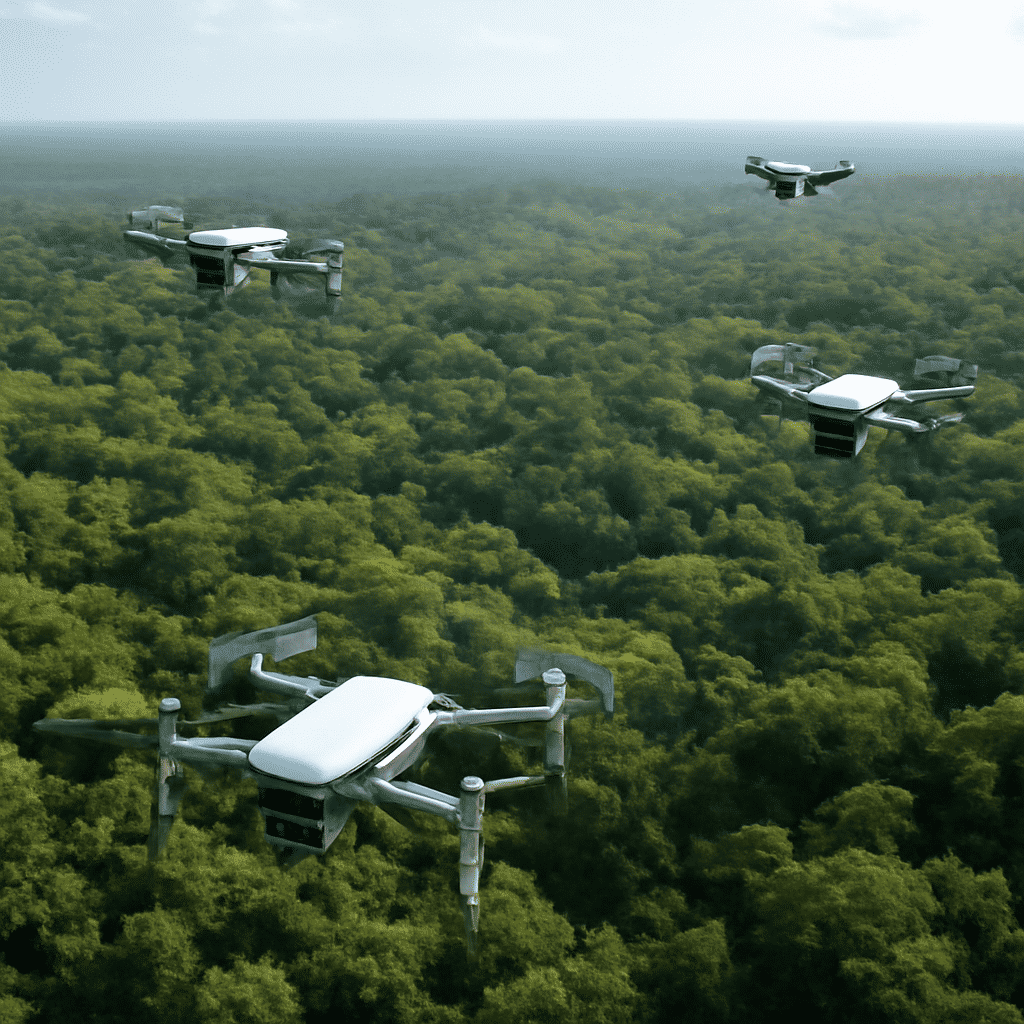
One significant area where robotics is making a substantial impact is in wildlife monitoring. Traditional methods of tracking and studying wildlife can be invasive and labor-intensive. However, with the introduction of drones and autonomous robots, researchers can now gather data with minimal disturbance to natural habitats. For instance, drones equipped with cameras and sensors are being used to monitor the behaviors and populations of endangered species in remote areas. These aerial devices can cover expansive territories much faster than humans on foot, providing real-time data on animal movements, habitat usage, and even unseen threats such as poaching.
In addition to monitoring, robotics plays a critical role in ecosystem restoration. In aquatic environments, for example, autonomous underwater robots are being utilized to reseed coral reefs. These robots can plant thousands of coral polyps with precision, speeding up the recovery of coral ecosystems that are vital to marine biodiversity. Similarly, in forests, robotic systems are aiding reforestation efforts by planting seeds in vast tracts of land. These systems ensure that seeds are planted at optimal depths and conditions, improving the chances of sapling survival and growth.
Another groundbreaking application of robotics in environmental conservation is pollution management, particularly ocean cleanup. The Great Pacific Garbage Patch has long been a symbol of the ocean plastic crisis, prompting innovators to devise robotic solutions to tackle marine litter. Autonomous solar-powered robots are designed to patrol the oceans, skimming the surface for plastic waste and other debris. These robots can operate continuously, collecting waste that is then brought to shore for recycling. This not only aids in cleaning the oceans but also helps prevent harm to marine life that can result from plastic ingestion and entanglement.
Moreover, robotic technologies are advancing capabilities for environmental data collection and analysis. Sophisticated sensors on robotic platforms can measure air and water quality, providing valuable data for scientists and policymakers. These insights can inform decisions on how to best protect fragile ecosystems and manage human impact on the environment. In agriculture, autonomous machines equipped with precision sensors help farmers reduce pesticide use, conserve water, and increase crop yields, contributing to more sustainable agricultural practices.
Despite the promising potential of robotics in environmental conservation, challenges remain. The deployment of these technologies must be carefully managed to prevent additional ecological disruption. Furthermore, the ethical considerations surrounding the replacement of human jobs with robotic systems in conservation efforts need to be addressed. Nonetheless, the trajectory of robotics in conservation is clear: these technologies offer innovative, precise, and efficient means to address some of the most pressing environmental issues of our time.
In conclusion, robotics is revolutionizing the field of environmental conservation by enhancing our ability to monitor, restore, and protect ecosystems. As these technologies continue to evolve and integrate with other innovative solutions, they hold the promise of a cleaner, more sustainable future for our planet. With thoughtful implementation and continued advancement, robotics will remain a cornerstone tool in the global conservation toolkit.